Reliable Deck Builders for Every Budget: Get Your Free Estimate
Locating a reliable deck builder who meets your financial needs can strongly affect the results of your deck project. Property owners often encounter difficulties in choosing the right contractor who can satisfy both budget and quality requirements. Complimentary quotes serve as a valuable tool in this process, providing a deeper understanding of costs and options. Even so, knowing what to look for in a deck specialist is essential. These critical steps will influence the results of your dream deck.
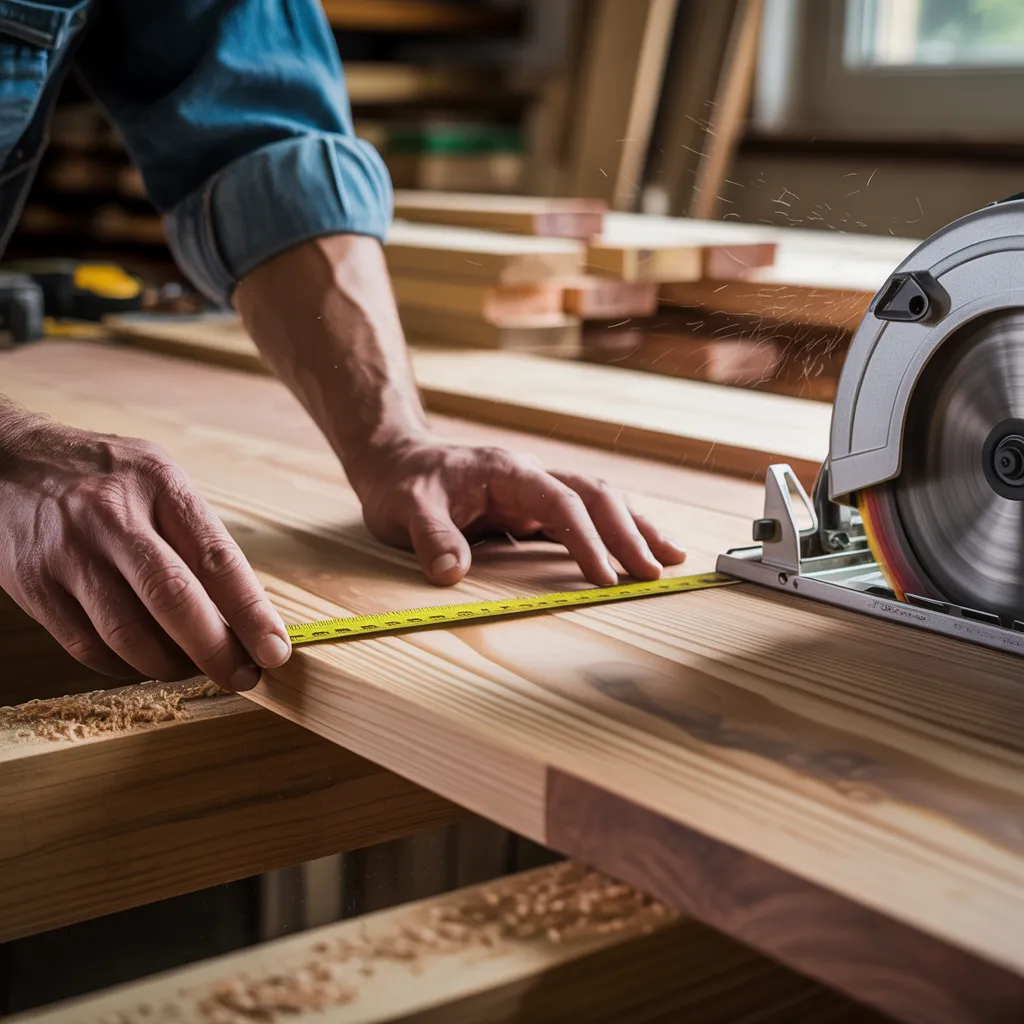
Why Choosing the Right Deck Builder Matters for Your Unique Project
To what extent does the choice of a deck contractor influence the outcome of a construction project? The best deck contractor can considerably influence both the quality and effectiveness of a building project. A experienced builder provides experience and knowledge, making sure that the deck satisfies both structural and aesthetic requirements. They can deliver helpful advice into design options, building materials, and local regulations, which helps to prevent expensive errors.
Furthermore, a trusted builder has built partnerships with suppliers, often leading to better pricing and access to high-quality materials. This can lead to a more durable and visually appealing finished product. In contrast, choosing an inexperienced or undependable builder may lead to holdups, budget blowouts, and unsatisfying outcomes. Therefore, it is important to evaluate builders based on their qualifications, previous projects, and customer feedback. Choosing the ideal deck builder ultimately determines the project's quality and the homeowner's overall satisfaction.
What Free Estimates Have to Offer
What can homeowners anticipate when requesting free estimates for their deck project? Initially, they can expect a detailed consultation where contractors assess their needs and preferences. At this point, homeowners should provide details about their preferred design, materials, and dimensions. Deck specialists will often conduct a site visit to evaluate the area, factoring in aspects such as terrain and accessibility.
Homeowners should also expect a clear outline of expenses related to labor, materials, and extra features. Proposals commonly feature multiple choices, allowing homeowners to compare different price points and styles. Moreover, a trustworthy contractor can provide estimated timeframes for completing the work, allowing homeowners to prepare effectively.
Finally, homeowners ought to feel comfortable asking questions and resolving any uncertainties. Such proactive communication confirms that the estimate matches their requirements, laying the foundation for a smooth and successful deck-building process.
How to Define Your Deck Budget
Calculating a financial plan for a decking project can often feel overwhelming for homeowners. To create a solid budget, it is essential to first reviewing individual financial boundaries and determining how much can be allocated without affecting other important commitments. Homeowners and families should factor in the materials, design, and size of the deck, as these considerations substantially affect overall expenses.
Investigating average prices in the local market can provide valuable insights, assisting in setting realistic expectations. Furthermore, homeowners should factor in potential extra costs, including permits, site preparation, and landscaping.
Building a well-organized list of features can also aid in making decisions, facilitating flexibility based on cost restrictions. As a final step, it is beneficial to allocate a reserve for unanticipated expenditures, providing financial adaptability throughout the project. Using this approach, property owners can define a budget that aligns with their vision while being financially sustainable.
Critical Qualities to Find in a Deck Builder
When choosing a deck builder, it is crucial to focus on experience and expertise to secure quality workmanship. Moreover, confirming that the contractor possesses the necessary insurance and licensing shields both the client and their financial commitment. Such attributes act as essential signs of a reliable and skilled professional in the deck construction field.
Skills and Expertise
Choosing a skilled deck builder requires careful consideration of their experience and expertise. A seasoned builder will have a demonstrated history of success, showcasing a range of completed projects that reflect their skill level. This experience often leads to a deeper understanding of materials, design, and construction techniques, enabling the builder to handle unexpected challenges effectively.
Expertise also encompasses knowledge of the latest trends and industry standards in building decks, making certain that the end result is not only useful but attractive in appearance. Furthermore, skilled professionals are better acquainted with municipal codes and can handle permitting procedures with ease. At the end of the day, hiring a deck professional with extensive experience and proficiency can considerably elevate the strength and longevity of the finished deck, giving homeowners confidence in their investment.
Insurance and Licensing
A reliable deck builder ought to always carry the required credentials and insurance. This confirms that the builder adheres to local codes and industry requirements, instilling confidence in homeowners. A license acts as confirmation of the builder's qualifications and commitment to professionalism. Insurance, on the other hand, shields both the professional and the property owner should accidents or damages occur during construction. When hiring a deck builder, property owners should require documentation of these credentials. The absence of appropriate licensing or insurance may indicate potential risks, such as substandard work or financial exposure. Fundamentally, engaging a licensed and insured deck builder remains vital for a seamless and trouble-free project outcome.
Critical Questions to Pose to Potential Deck Builders
What valuable information can future homeowners obtain by posing the right questions to prospective deck builders? Working with a deck builder entails more than merely receiving a bid; it necessitates evaluating their knowledge and trustworthiness. Homeowners ought to ask about the contractor's background and previous work, and also seek references to assess client satisfaction. It is crucial to define project schedules, confirming that deadlines correspond with the homeowner's anticipated timeframe. Furthermore, reviewing guarantees on both supplies and workmanship can offer reassurance. Homeowners would be wise to question who the subcontractors are and what qualifications they hold. Grasping the payment plan, encompassing upfront deposits and remaining balances, is fundamental to eliminating financial uncertainty. In closing, homeowners should ask about required permits for the construction, confirming conformity with local building codes. By asking these inquiries, homeowners are empowered to make knowledgeable choices and choose a deck builder who fulfills their expectations.
Picking the Ideal Materials for Your Budget
In selecting materials for a deck, homeowners must weigh the benefits of wood compared to composite materials. Long-term durability plays a vital role in this decision, as it influences upkeep costs and the longevity of the deck. Moreover, considering affordable alternatives can provide budget-friendly solutions without compromising quality.
Wood vs. Composite Materials
When deciding between wood and composite decking materials for constructing a deck, homeowners must consider both aesthetic appeal and budget limitations. Wood offers a traditional, natural aesthetic and tends to cost less at the outset. Yet, it demands consistent maintenance, including staining and sealing, which could raise overall costs over time. In contrast, composite materials, crafted from a combination of wood fibers and plastic, offer a low-maintenance option with a variety of colors and finishes. Although composites typically require a larger upfront investment, they are resistant to fading and warping, drawing in those who prioritize long-term performance. At the end of the day, the selection relies on personal preferences, willingness to perform upkeep, and overall budget planning, making it essential for homeowners to weigh these factors carefully before making a decision.
Long-Term Durability Considerations
Durability plays an essential role in determining the best materials for building a deck, especially for homeowners conscious of their budget. When weighing the possibilities, wood and composite materials present distinct advantages and drawbacks. Natural wood, while aesthetically pleasing, requires regular maintenance to prevent rot, warping, and insect damage. In contrast, composite materials offer enhanced longevity, resisting fading and deterioration with minimal upkeep. Homeowners ought to consider their local environmental conditions, as humidity and sunlight exposure can impact how long materials last. Moreover, considering the primary function of the deck is important; areas with frequent foot traffic may call for more durable solutions. Ultimately, the right choice balances initial investment with long-term performance, guaranteeing that the deck stays both practical and attractive for many years ahead.
Economical Alternatives Available
Picking the best options for building a deck can considerably influence both appearance and budget. Residents searching for budget-friendly solutions often explore pressure-treated wood, which provides long-lasting performance at a more affordable price compared to exotic hardwoods. Composite materials also present a practical solution, combining recycled plastics and wood fibers for a extended-life solution that requires minimal maintenance. For those on stricter budgets, treated plywood can function as an cost-effective solution, though it may not hold up against the elements as well. Additionally, vinyl decking is becoming more popular for its cost-effectiveness and durability against rot and fading. By evaluating these alternatives, residents can achieve a stunning and practical deck without going over budget, ensuring a wise investment for the future.
Tips for Evaluating Deck Builder Proposals
How can homeowners effectively evaluate deck builder proposals to guarantee they make the best choice? To begin, homeowners should gather and compare several estimates, paying close attention to differences in pricing, materials, and project timelines. A detailed breakdown of costs helps clarify what is included and allows for informed comparisons. Furthermore, assessing the contractor's experience and professional reputation is a vital step; reaching out to references and exploring online reviews reveals important details about their trustworthiness and skill level.
Homeowners should also confirm that proposals cover required permits and warranties, as these factors can greatly impact lasting satisfaction. It is recommended to inquire about the construction methods and material selections, guaranteeing compatibility with the homeowner's expectations and financial plan. Additionally, straightforward communication is critical; proposals should be straightforward and free of jargon, reflecting the builder's dedication to openness. By implementing these measures, homeowners can arrive at a knowledgeable choice when selecting a deck builder that meets their needs.
How to Prepare for Your Deck Installation Day
Deck installation is often both exciting and overwhelming for homeowners alike. Proper preparation can alleviate stress and guarantee a smooth process. To begin, it is important for homeowners to clear the installation area of furniture, plants, and any obstacles to ensure the builders have unobstructed access. Doing so not only streamlines the work but also safeguards any existing landscaping.
Furthermore, residents should convey particular preferences or worries to the deck builders, ensuring all parties are aligned. It proves advantageous to have a specific area for equipment and supplies, which keeps things organized throughout the construction process.
Furthermore, homeowners are advised to anticipate potential noise and activity by alerting neighbors beforehand. Finally, putting a plan in place for pets and children while installation is underway is key to safety and minimizing disruptions. By following these measures, homeowners can establish a favorable environment for the deck builders, ensuring the process is smooth and productive.

Frequently Asked Questions
What Deck Types Can I Select From?
Property owners can select from various deck types, including wood, composite, aluminum, and PVC. Each material offers unique benefits, such as strength, care needs, appearance, and overall expense, allowing for personalized outdoor spaces tailored to individual preferences.
How Long Does a Typical Deck Installation Take?
A typical deck project usually spans one to two weeks, depending on the size and complexity of the project. Climatic conditions and material supply can additionally impact the overall schedule for finishing.
Are Permits Needed for Deck Construction?
Absolutely, building permits are usually necessary for deck construction. Local building authorities commonly require read the facts homeowners to acquire permits to guarantee compliance with zoning laws, safety standards, and building codes, supporting the structural soundness and visual appeal of the neighborhood.
What Warranties Do Deck Builders Usually Offer?
Most deck builders generally offer warranties that address materials, workmanship, and structural integrity, often ranging from one to ten years. These warranties ensure protection from defects and give homeowners confidence in their investment.
Am I Able to Customize My Deck Design?
Indeed, deck designs can often be customized to accommodate unique desires. Numerous builders partner closely with homeowners to include unique materials, features, and layouts, guaranteeing the finished result aligns with the customer's goals and preferences.